
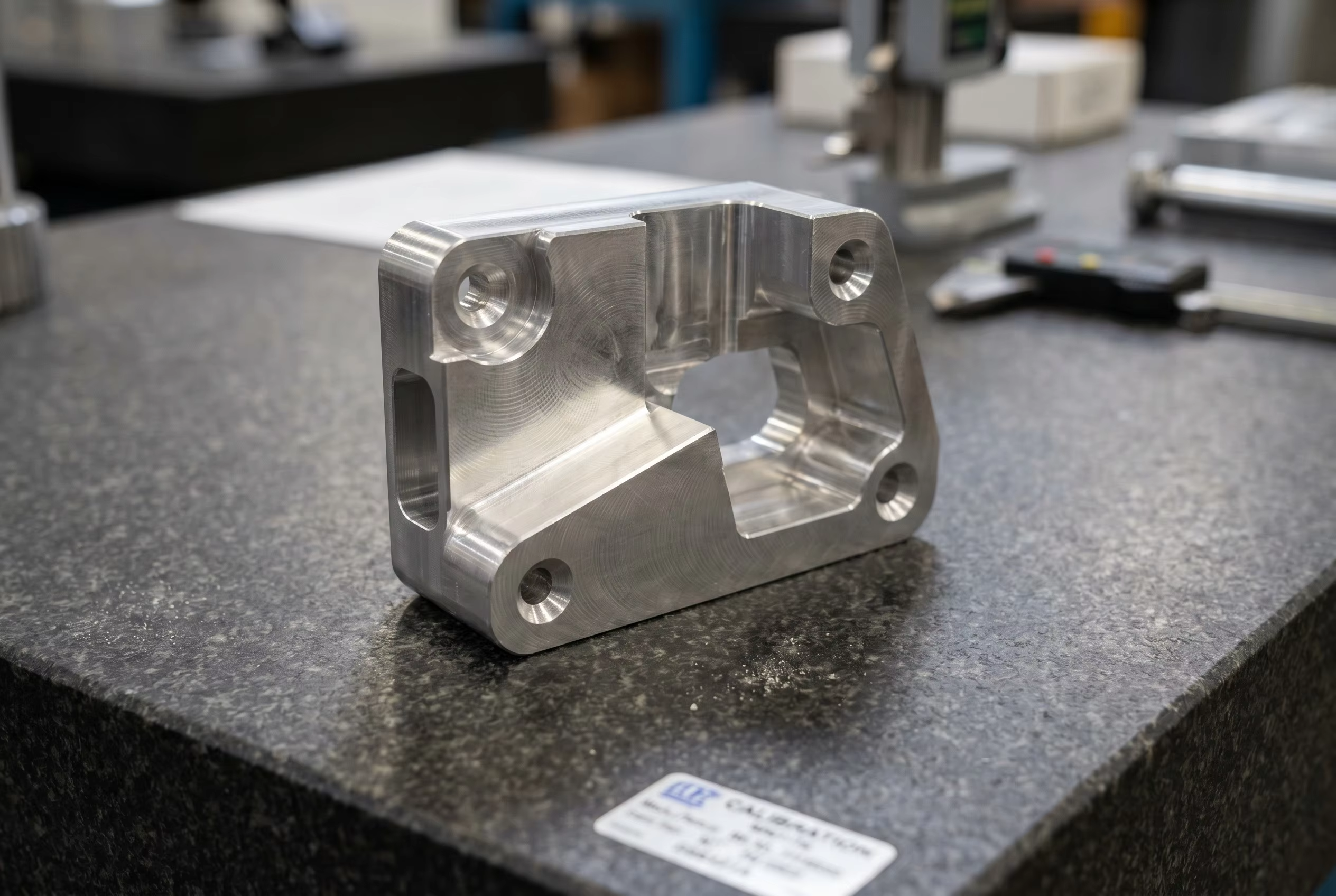
If you have ever dealt with thin-walled aerospace brackets or large structural plates, you’ve seen this disaster. The culprit isn’t your drawing. It’s internal stress.
At JXD Обработка, we don’t just cut metal. We manage the physical state of the material. In precision batch production, managing internal stress is what separates a stable supplier from one that delivers scrap.
Why 6061 and 7075 Warp
Raw aluminum isn’t inert. Manufacturing processes like rolling or extruding “trap” energy inside the material. When we cut into it, that energy is released, causing movement.
- 6061-T6: High residual stress from the rapid quenching process during tempering.
- 7075-T6: High strength but brittle; removing material from one side often causes the part to “snap” out of spec.
The JXD Strategy: Controlling the “Snap”
Stability isn’t a happy accident. At JXD Machining, we use a data-driven protocol to minimize dimensional drift.
1. The 24-Hour “Relaxation” Cycle
We never perform finishing passes immediately after heavy roughing on thin-walled parts.
- The Protocol: Rough machine to within 0.5mm -> Stress-relief rest for 24 hours -> Final finish pass.
- The Result: For 500mm aerospace structural plates, this method reduces end-to-end warp from 0.18mm to less than 0.03mm.
2. High-Speed Tool Path Optimization
Standard tool paths create localized heat zones. We use trochoidal milling on our 5-axis centers to maintain a constant chip load and keep heat in the chip, not the part.
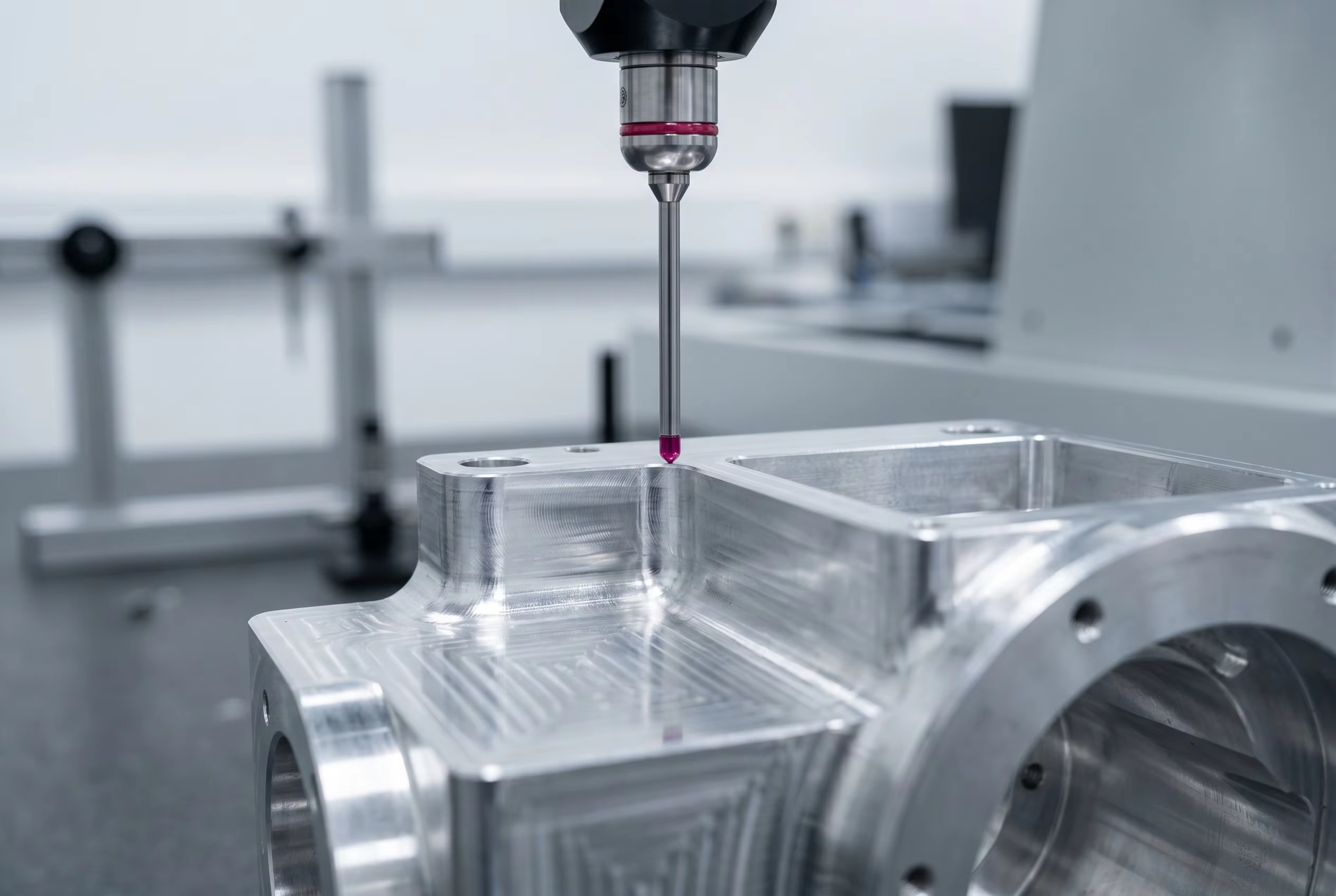
Technical Comparison: Standard vs. JXD Process
| Особенность | Standard CNC Shop | JXD Machining Protocol |
|---|---|---|
| Roughing Strategy | Full-depth, high-torque | Incremental, stress-balanced |
| Process Gap | Direct finish after roughing | 24-hour stabilization rest |
| Typical Warp (500mm) | 0.15mm – 0.25mm | < 0.04mm |
Case Study: Robotics Structural Frame
A client provided a 7075-T6 frame design with 1.2mm walls. A previous supplier failed due to a 0.12mm twist that made assembly impossible.
Our Approach: We optimized the process with temporary support ribs and a custom vacuum fixture to ensure zero clamping stress. After a 3-stage material removal cycle, the twist was held within 0.02mm across the entire batch.
Frequently Asked Questions
Q: Why did my part warp after removing the fixture?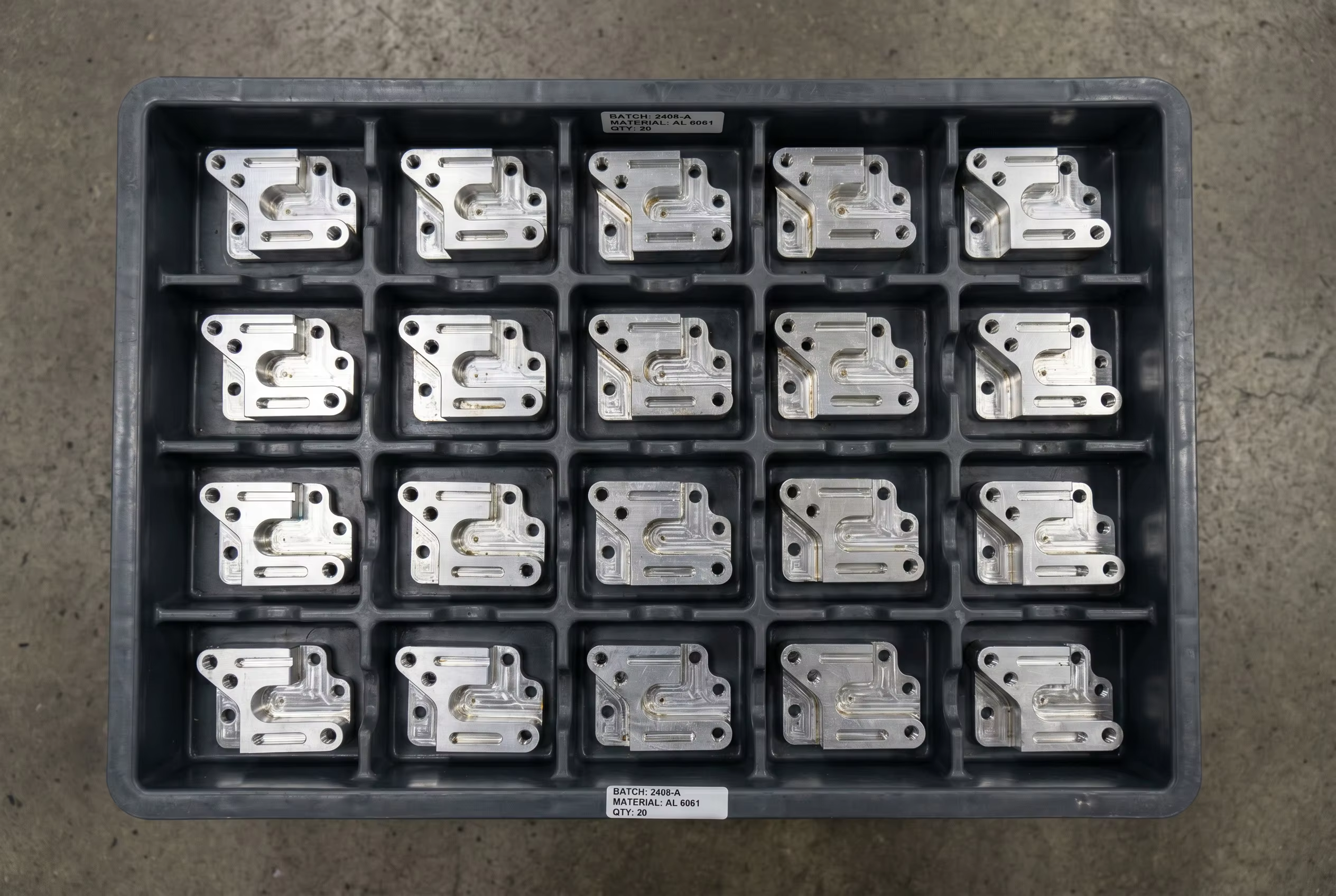
This is the stress-release effect. JXD prevents this by using multi-stage machining and proper rest periods.
Q: What is the best material for stability?
For precision CNC, we recommend T651. It has been mechanically stretched to equalize internal stresses.
Stop Fighting Your Material
Aluminum is complex. Don’t leave your precision batch to a shop that treats it like wood. Get parts that are stable and ready for assembly.
Ready to stabilize your production?
Upload your drawings today. Our engineering team will provide a full DFM report, specifically screening for stress-related risks.
 Russian
  English
  German
  Italian
  Spanish
  Turkish
  French
  Portuguese