
Ordering Aluminum: Billet vs Cast vs Forged Comparison
When specifying aluminum components, the processing method—billet, cast, or forged—determines the part’s fatigue life, ultimate tensile strength (UTS), and total cost of ownership. While all three start as aluminum alloy, their internal grain structures and mechanical properties vary significantly.
This JXD Machining guide provides the engineering data you need to choose the right process for your project, focusing on structural integrity and cost efficiency.
1. What is Billet Aluminum?
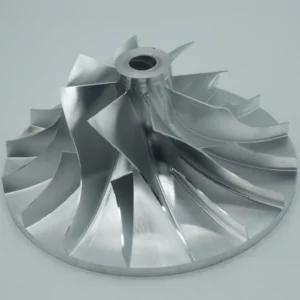
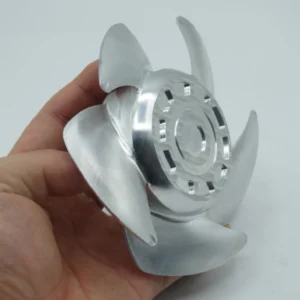
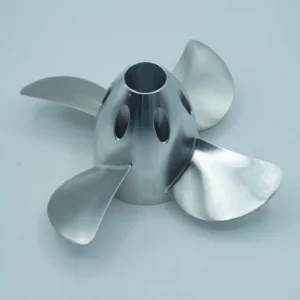
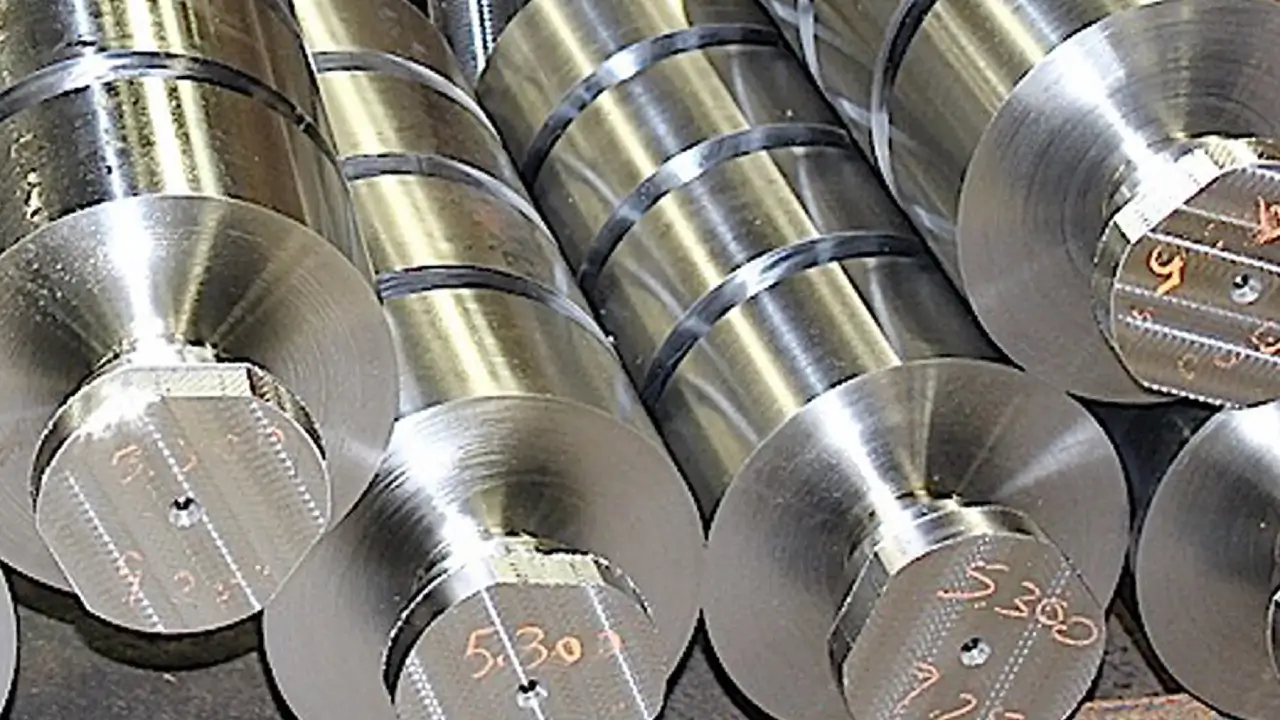
Billet aluminum is machined from a solid, extruded block of metal (often called “bar stock”). Unlike casting or forging, the material has already undergone extrusion, which aligns its grain structure in one direction.
Key Engineering Specs:
- Structure: Homogeneous and dense.
- Porosity: Near zero. This makes it the only choice for vacuum-tight or high-pressure fluid components.
- Machinability: Excellent. It is the gold standard for high-speed CNC milling and turning.
2. What is Cast Aluminum?
Casting involves melting aluminum and pouring it into a mold (die-casting or sand casting). It is the most common method for complex geometries that don’t require extreme mechanical strength.
Key Engineering Specs:
- Structure: Non-directional, crystalline structure.
- Risk: Potential for internal porosity (tiny gas bubbles). This can lead to structural failure under high-cycle fatigue.
- Strength: Typically 20-40% lower than forged or billet counterparts in the same alloy.
3. What is Forged Aluminum?
Forging uses extreme heat and pressure to “beat” the metal into shape. This process physically deforms the grain structure to follow the part’s contour, creating the strongest possible aluminum component.
Key Engineering Specs:
- Structure: Directional “flow lines” that follow the part geometry.
- Toughness: Exceptional impact resistance and fatigue life.
- Application: Critical aerospace, defense, and high-load automotive suspension parts.
Mechanical Properties Comparison (Alloy 6061-T6)
| Proprietà | Cast (Die-Cast) | Billet (Extruded) | Forged |
|---|---|---|---|
| Tensile Strength (UTS) | ~160-240 MPa | ~310 MPa | ~330+ MPa |
| Resistenza alla deformazione | ~100-150 MPa | ~275 MPa | ~285+ MPa |
| Allungamento a Rottura | 1-3% | 12% | 15-18% |
| Fatigue Strength | Basso | High | Highest |
| Internal Defects | High (Porosity) | None | None |
Cost vs. Volume Analysis
Choosing the process is often a financial decision based on Annual Usage Value (AUV):
- Billet (CNC Machining):
- Upfront Cost: $0 (No molds required).
- Tempo di consegna: 3-7 days.
- Best For: Prototypes, low-to-medium volumes (1-500 pieces).
- Cast (Die Casting):
- Upfront Cost: $2,000 – $15,000 (Mold costs).
- Tempo di consegna: 4-6 weeks for tooling.
- Best For: High volume (1,000+ pieces) where unit price is the priority.
- Forged:
- Upfront Cost: Highest (Complex dies and massive presses).
- Best For: Performance-critical parts where failure is not an option, regardless of cost.
JXD Engineering Verdict: Which Should You Choose?
- ✅ Specify Billet se hai bisogno accuracy (±0.02 mm) and high-quality surface finishes (Ra 0.8) without paying for expensive tooling.
- ✅ Specify Cast if the part geometry is complex, the load is low, and you need 10,000+ units/year.
- ✅ Specify Forged only for safety-critical applications like aircraft bulkheads or high-stress engine internals.
Get an Aluminum DFM Review
JXD Machining provides free Design for Manufacturability (DFM) reviews for all aluminum projects. Whether you need a one-off billet prototype or a production run, our engineers will verify your tolerances and material selection.
Upload your STEP file for a quote →
FAQs
Q: Is billet aluminum stronger than cast?
A: Yes. Billet (extruded) aluminum 6061-T6 has a UTS of ~310 MPa, while cast 6061 is often 30-50% weaker due to its non-directional grain and potential porosity.
Q: Can cast aluminum be CNC machined?
A: Yes, but with caution. Casting porosity can cause “tool chatter” and inconsistent surface finishes. Billet is preferred for high-precision CNC work.
Q: Why is forged aluminum more expensive?
A: It requires specialized dies and hydraulic presses capable of thousands of tons of force, plus significant secondary CNC machining to reach final dimensions.
 Italian
  English
  German
  Russian
  Spanish
  Turkish
  French
  Portuguese